Train your own service dog —with hands-on help from our team.
We help people train their own service dogs, in person at our Snohomish facility or online anywhere through our Hybrid Service Dog Program™. Medical alert, daily-living tasks, and public access, taught by trainers who have done this work for three decades.
More independence, fewer emergencies, and a partner by your side.
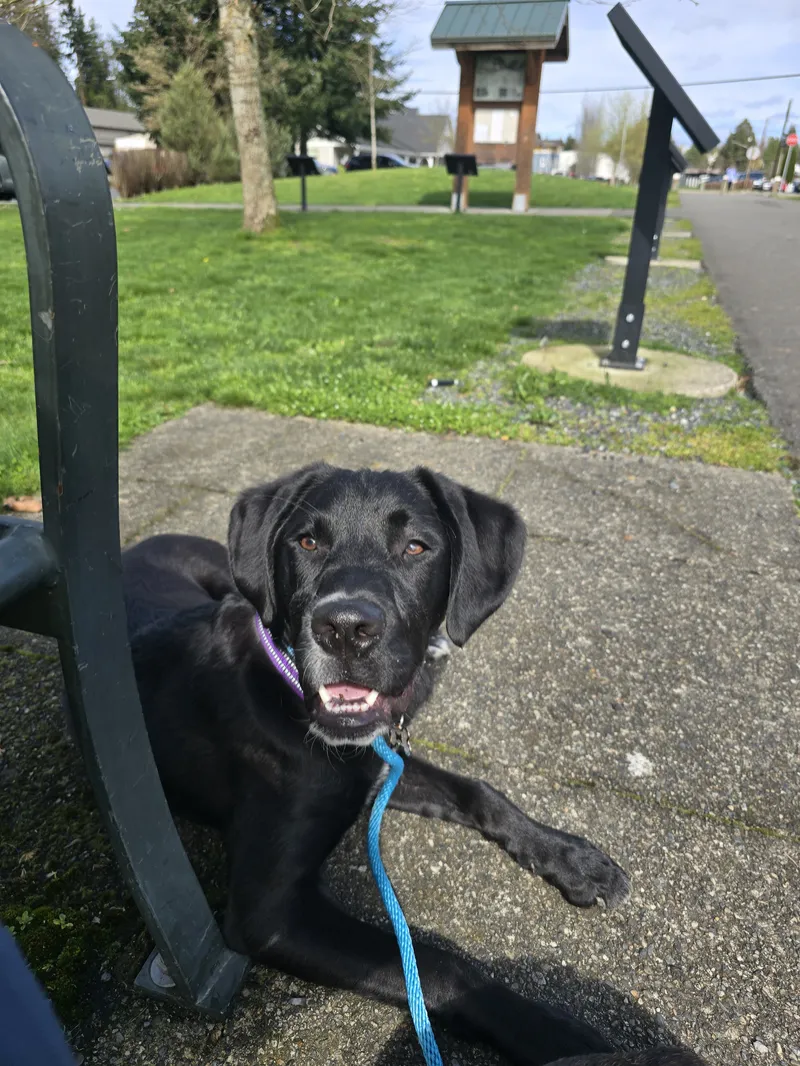
Health Monitoring & Alerting
Dogs can be trained to alert to low blood sugar, impending seizures, migraines, and other critical changes, often before you feel them. Early alerts give you time to act.
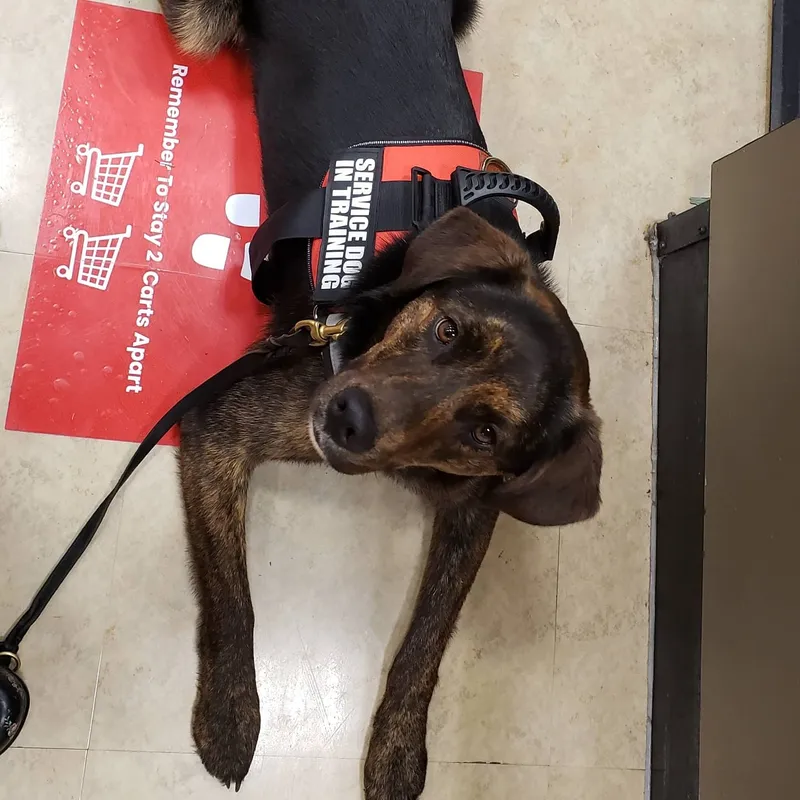
Independence & Mobility
Help with daily tasks like opening doors, retrieving dropped items, and steady balance support, so you can move more freely, even in crowded public spaces.
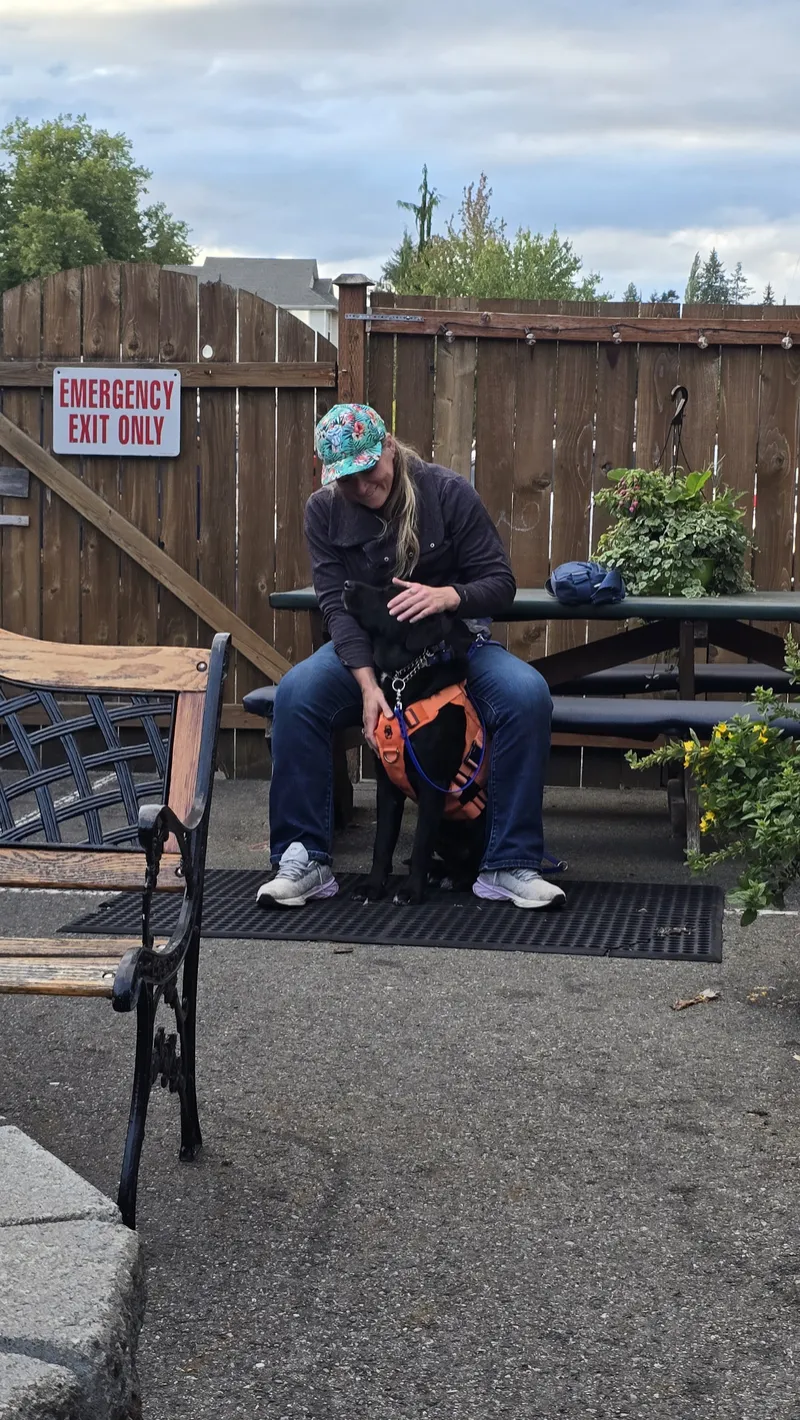
Reduced Stress & Anxiety
Trained interruption of anxious behaviors and calming deep pressure during panic attacks, from a partner who understands your needs.
Built around what you actually need day to day.
Every team is different. These are some of the tasks we train most often, grouped by the needs they serve.
Diabetes, Migraines, Crohn's & More
- Early detection: alerts to blood sugar changes before symptoms start
- Other conditions: migraines, seizures, Crohn's disease, POTS, and other physiological changes
- Fewer emergencies: timely alerts can mean fewer ER visits
- Confidence: knowing a vigilant partner is watching
Before, During & After
- Seizure alert: trained to recognize and alert to onset
- Emergency help: pushes an emergency button, retrieves a phone, or barks to get help
- Protective positioning: lies under the head to keep it from hitting objects
- Tactile stimulation: licking to bring back awareness and shorten recovery
- Deep pressure: comfort and grounding afterward
- Steady balance support once you're back on your feet, and medication retrieval
Safety, Grounding & Calm
- Sound alerts: alarms, approaching people, and other cues, easing hypervigilance
- Nightmare interruption: wakes and grounds you
- Deep pressure: draping across the chest or lap during panic
- Behavior interruption: nudging or pawing to interrupt harmful behaviors
- Room checks: checking rooms and the home's perimeter
- Crowd comfort: physical contact while moving through crowds
Interruption & Comfort
- Behavior interruption: leg jiggling, hair pulling, skin picking, heavy breathing, nail biting
- Early awareness: signals the onset of anxiety so you can cope sooner
- Deep pressure & tactile stimulation: grounding and soothing touch
- Retrieval: brings medication or a phone when needed
Balance & Daily Living
- Bracing & stability: a steady brace to help you keep your balance
- Counterbalance: steady support while walking
- Pulling: forward pulling and momentum in a harness to help you keep moving
- Doors & lights: opens doors and turns lights on and off
- Retrieving: picks up dropped keys and other items
For Handlers & Families
- Alarm & sound response: smoke alarms, phones, doorbells, and the handler's name
- Routines: leads to timers and pill dispensers; fetches keys or lists before leaving
- Behavioral support: signals during stimming, especially if harmful
- Comfort & pressure: draping or leaning for calm
- Safety: crowd navigation and tethering to prevent wandering
What counts as a service dog task?
Under the ADA, a service dog is trained to perform specific tasks for one person with a disability. Understanding the difference protects your public access rights.
A service dog task is…
- Purposeful: a specific action that directly helps with your disability
- Disability-related: it addresses challenges tied to your condition
- Trained and reliable: taught on purpose and performed consistently on cue
- ADA-qualifying: it meets the criteria that protect your public access
A service dog task isn't…
- Comfort alone: petting your dog helps, but it isn't a trained task
- Natural responses: helpful instincts that weren't intentionally trained
- Random behavior: tasks are deliberate and predictable
- Everyday pet behavior: feeling comforted by your dog is wonderful, but it's not a task
Deep pressure applied on purpose to ease anxiety does qualify. It's one of the most useful tasks we train.
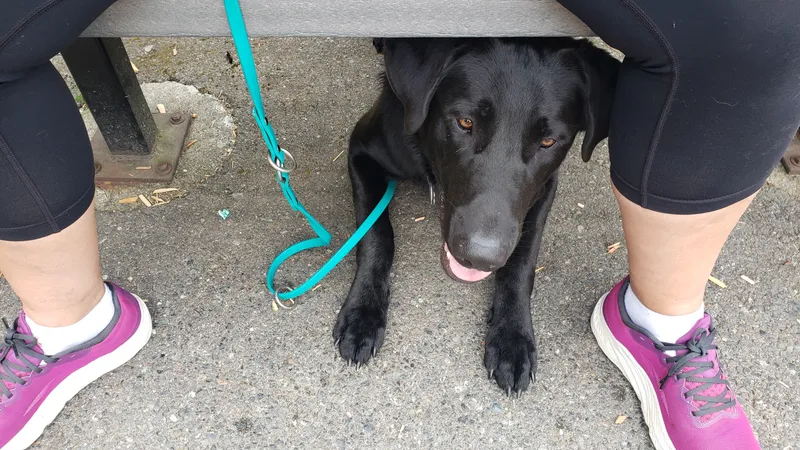
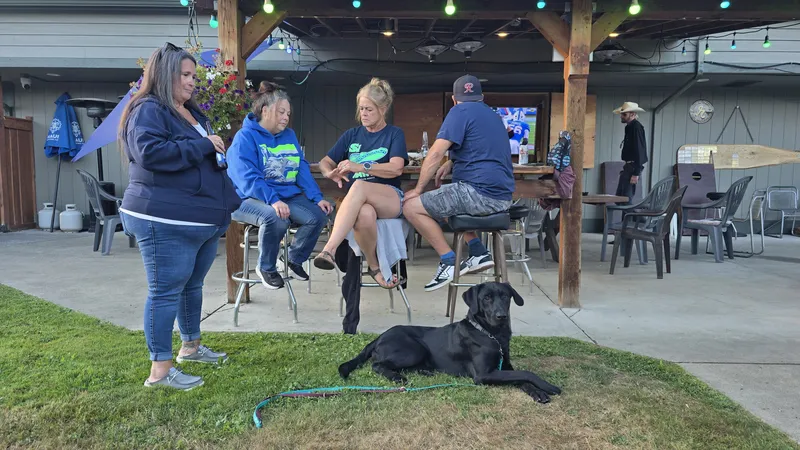
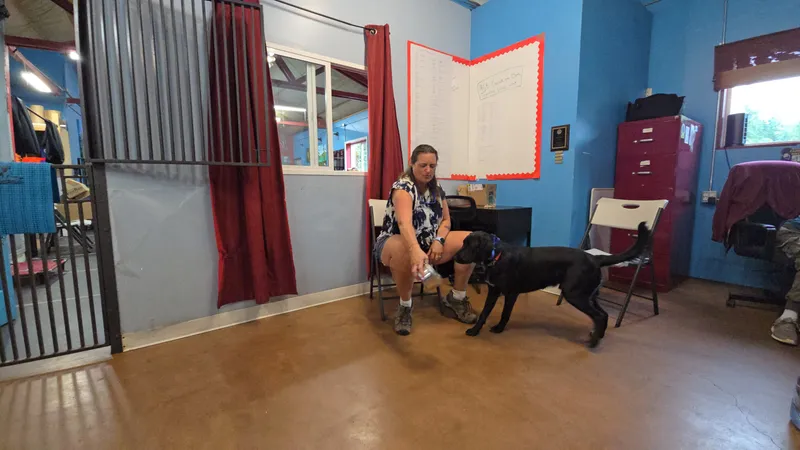
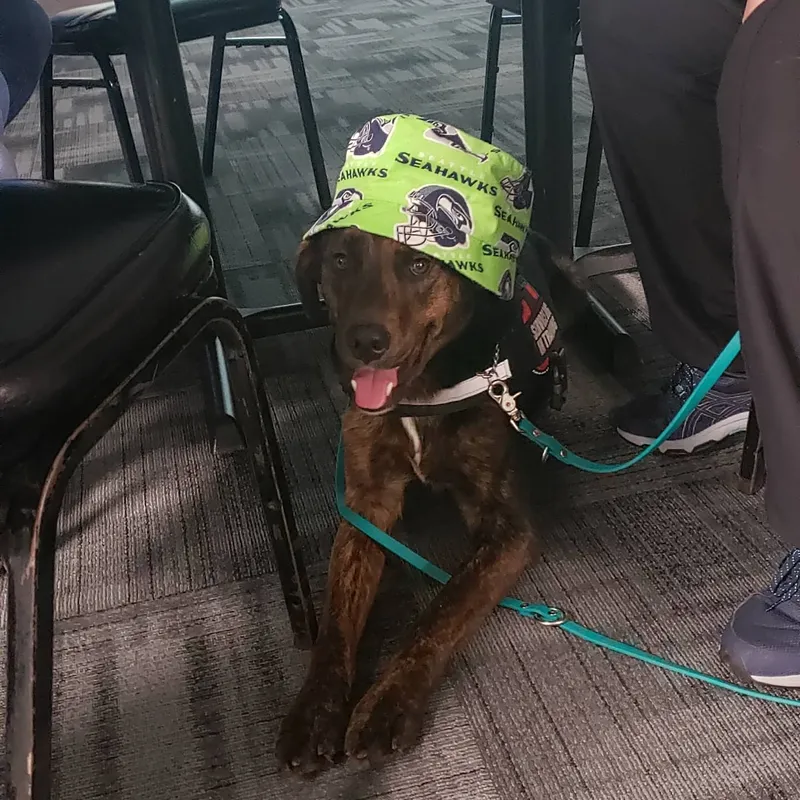
Real dogs. Real places. Real handlers.
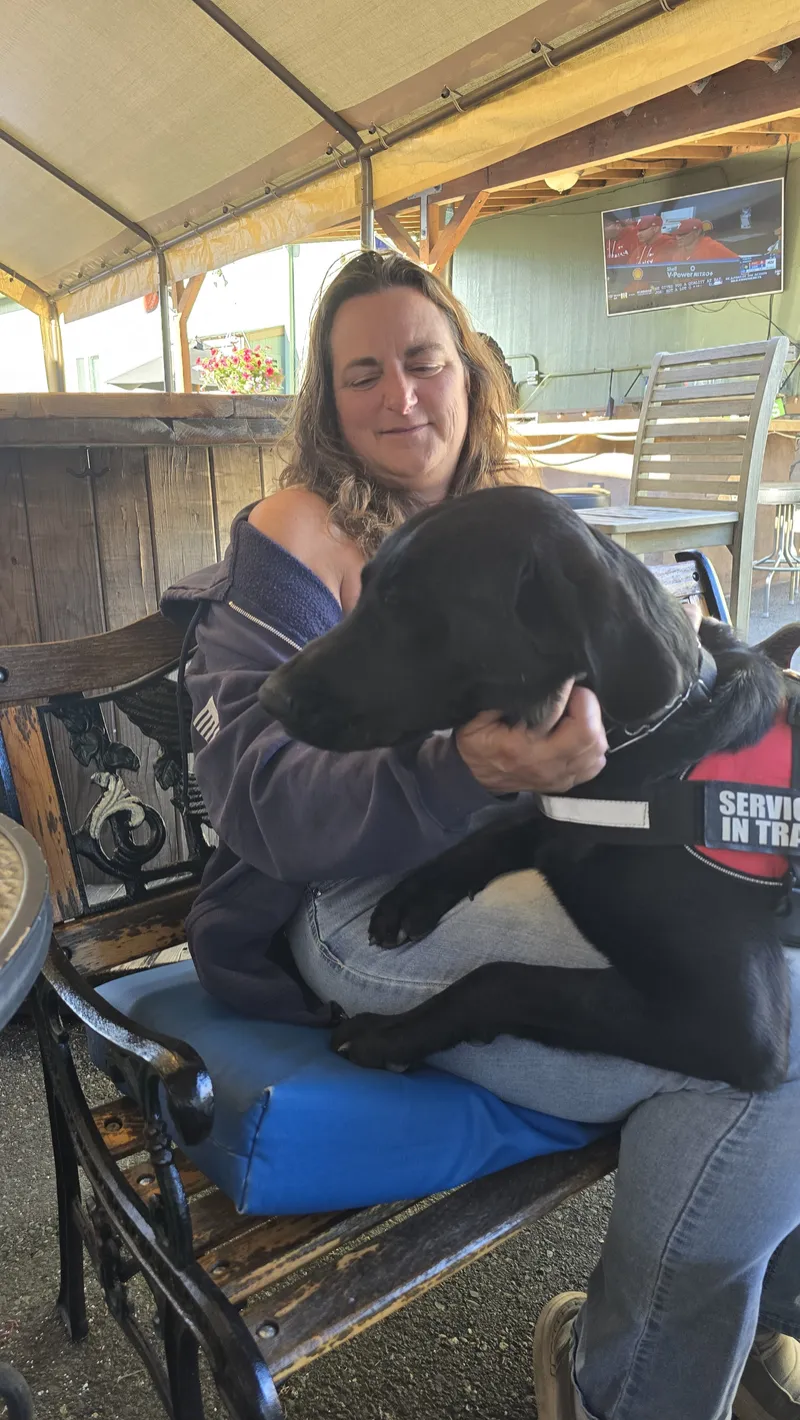
Public access isn't learned in a classroom. Our teams train in stores, restaurants, and busy public spaces until good behavior becomes second nature.
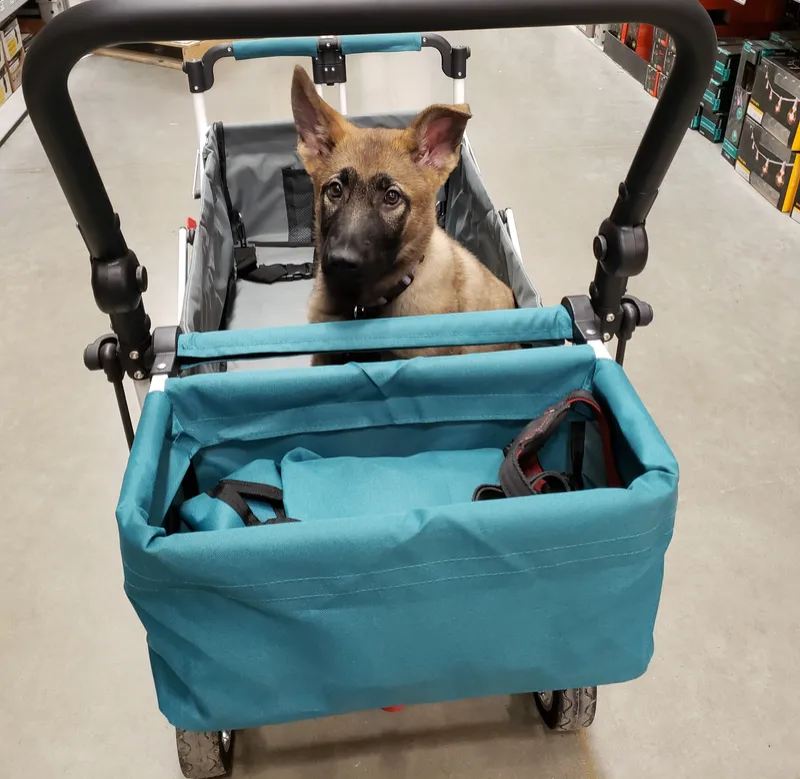
Support for every step of the journey.
Choosing the Right Dog
Evaluating rescues, temperament testing puppies, and finding a breeder who stacks the odds in your favor.
Training Guidance
From foundation manners to specialized tasks, with clear steps you can practice at home.
Task-Specific Training
Alerts, retrieval, deep pressure, interruption, and light mobility, matched to your needs.
Access Rights & Advocacy
Know your legal rights, and have a team in your corner as you navigate public access and transportation.
Public Etiquette & Travel
Handling questions from the public with confidence, plus airports, flights, and public transit.
ACE Certification
Teams who pass our Public Access Test and Tasking Skills Exam receive signed documentation that their dog meets ADA criteria for public access.
Positive-first, balanced training built on trust.
We rely mostly on positive reinforcement, and we use fair, clear corrections when a dog needs them. We read canine body language closely, keep training safe for dog and handler, and adapt every plan to the dog in front of us. Trust is the foundation of every working partnership.
Not sure where to start? Pick the step that fits.
Tell us about your needs
Complete our inquiry form and we'll follow up about training with A Canine Experience.
Inquire About Training →Evaluate your current dog
Complete our Behavioral Evaluation Questionnaire if you have a dog you're considering training.
Start the Evaluation →Puppy Pathways™
Help researching breeders and evaluating puppies or rescue dogs for service work.
Explore Puppy Pathways™ →Is your dog a candidate?
A quick, free self-screen to find the right starting point for your team.
Take the Quiz →What our service dog teams say.
"Andrea and Trina just trained my dog to be a service dog for my son. They have opened doors for him that would not have been open without their help. My son is less anxious, happier, and he is able to go places with us that were a challenge before for all of us. It is like a miracle."
"A Canine Experience is the best place. My dogs and I are absolutely 100% satisfied when training there and taking the training home. The trainers take it step by step and are the most helpful in every way possible… I wouldn't go anywhere else."
"Trina and Canine Experience are wonderful! She's helping me train my puppy with obedience and migraine alert. We are so happy with the results so far!"
A family business, three generations deep.
Founded by Nancy Baer in 1995, A Canine Experience is a multi-generational family business in Snohomish, Washington, and a trusted name in service dog training.



Honest answers.
Can I train my own service dog?
Yes. The ADA allows people with disabilities to train their own service dogs. Most of our clients do, because placed dogs can cost $25,000 to $40,000 and waitlists often run one to four years.
Do you train service dogs in person?
Yes. Local clients can train with us at our Snohomish facility. Clients anywhere in the U.S. and Canada can join our Hybrid Service Dog Program™ online, with live coaching from our trainers.
What's the difference between a service dog, a therapy dog, and an emotional support animal?
A service dog is trained to perform specific tasks for one person with a disability, and the ADA gives it public access. A therapy dog visits places like hospitals and schools to comfort many people. An emotional support animal provides comfort just by being there but isn't task-trained, so it doesn't have public access rights.
What conditions can a service dog help with?
We work with handlers living with diabetes, POTS, seizures, migraines, PTSD, anxiety, autism, Crohn's disease, and more. Tasks are built around what you need day to day, like medical alerts, retrieving items, deep pressure, or interrupting anxious behavior.
Do you train POTS alert dogs?
Yes. We work with POTS clients on both alerts and response tasks, including counterbalance, retrieving dropped items so you don't have to bend and stand, and deep pressure.
Do you train bracing or mobility tasks?
Yes, within safe limits. We train pulling, stability, counterbalance, and bracing for balance. We don't train tasks where your weight presses down on the dog, like pushing up off the floor or breaking a fall, because those can injure a dog's joints and spine.
Do I need to register my service dog?
No. The ADA doesn't require registration or certification, and online registries don't give you any legal rights. Teams who pass our Public Access Test and Tasking Skills Exam receive ACE Certification, a signed record of their dog's training.
How long does it take to train a service dog?
For most teams, about 18 months to 2 years of consistent training. It depends on the dog, the tasks, and the pace your health allows.
Can I use my HSA to pay for service dog training?
IRS Publication 502 includes buying, training, and caring for a service animal as a medical expense, so training is often HSA-eligible. Check with your HSA provider or tax advisor.
Do you offer service dog workshops?
Yes. We host two service dog workshops a year at our Snohomish facility, and our trainers travel to teach workshops for groups, clubs, and organizations across the U.S. and beyond. Text us at 360-488-0639 to hear about the next workshop or to bring one to your area.
How do I get started?
Take our 2-minute suitability quiz, book a free 15-minute call with Trina, or text us at 360-488-0639.

Get a free PDF of Lead or Be Led 2.0™
Trina's book on the foundations every dog needs, including a chapter on choosing the right dog.
Get the Free PDFReady to start your service dog journey?
Tell us about your needs, or talk it through with Trina first. No pressure, no obligation.
Inquire About TrainingFree 15-Min Call