
Reactive dog training in Snohomish, WA
Reactive dogs bark, lunge, or pull at other dogs, people, or things they see. Most reactivity comes from fear or overexcitement, not aggression, and it can usually improve. We help with a mix of private lessons, day training, or board and train, plus a small reactive dog class.
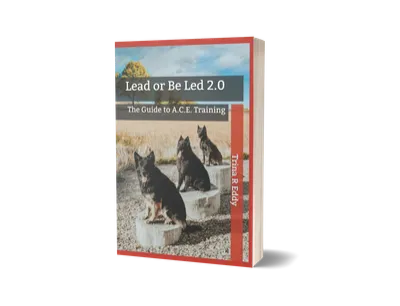
Lead or Be Led 2.0 by Trina R. Eddy
Learn the leadership-based approach our whole team uses, written by our CEO, Trina Eddy. Download a free PDF copy, or get it in paperback, Kindle, or Audible on Amazon. A copy is also included with every behavioral evaluation.
Our family is featured in the Inside Success TV documentary Beyond the Leash. Watch it here →
Reactivity covers a lot of ground
Reactivity can look like anything from over-the-top excitement to serious aggression. Most of it is learned: when barking and lunging gets a dog closer to the exciting thing or makes the scary thing go away, the behavior works. And when no one else takes the lead, many dogs feel they have to handle things themselves. (Learn more about leadership in our Lead or Be Led 2.0 Q&A.) Knowing what’s driving your dog’s reactions is the first step to changing them.
Overexcitement
Some dogs are so excited to greet that they can’t think, and frustration on leash builds into barking and lunging.
Fear
A worried dog may bark and lunge to make the scary thing go away. This is one of the most common causes.
Overstimulation
Busy places, fast movement, and too much going on can push a dog past what it can handle.
True aggression
Some reactive dogs do have aggression. What we can change depends on the type, and we’ll be honest with you.
A plan built around your dog
Most reactive dogs do a mix of programs. We build your plan around your dog’s needs, your goals, your schedule and budget, and what you’re comfortable handling.
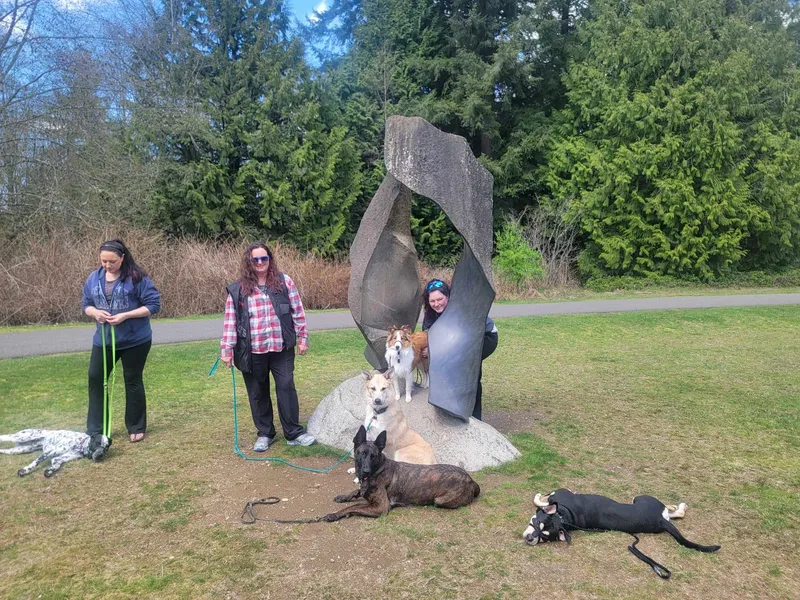
Private lessons
One-on-one coaching for you and your dog, focused on your dog’s triggers and your daily life.
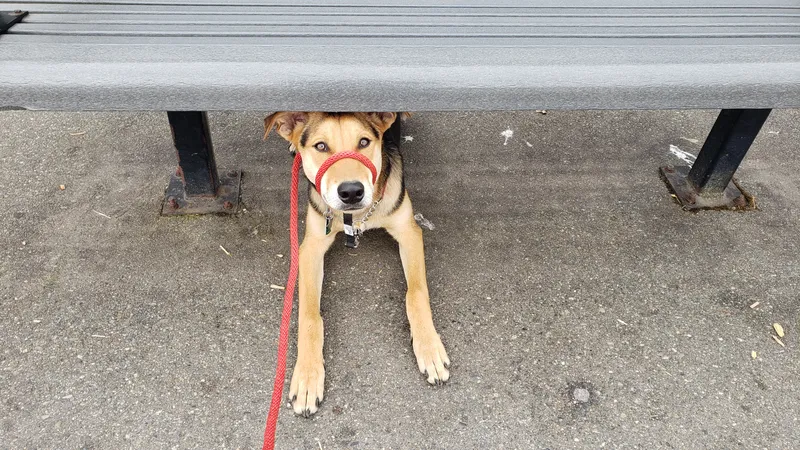
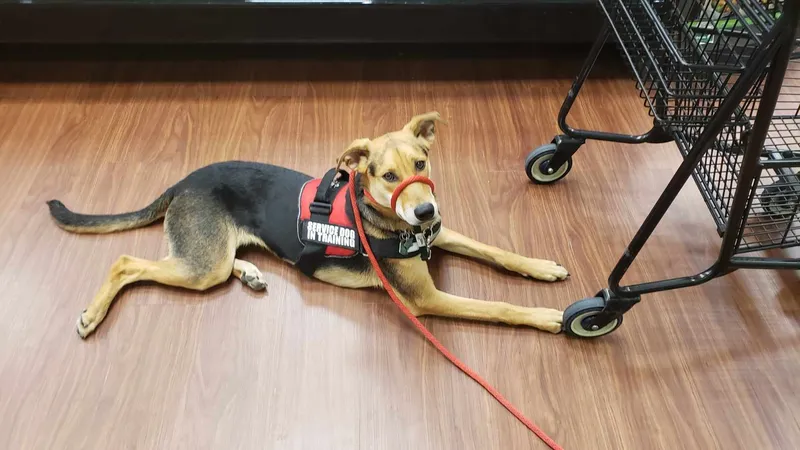
Board and train
Our most intensive option, with focused daily training and lessons for you. Learn about board and train.
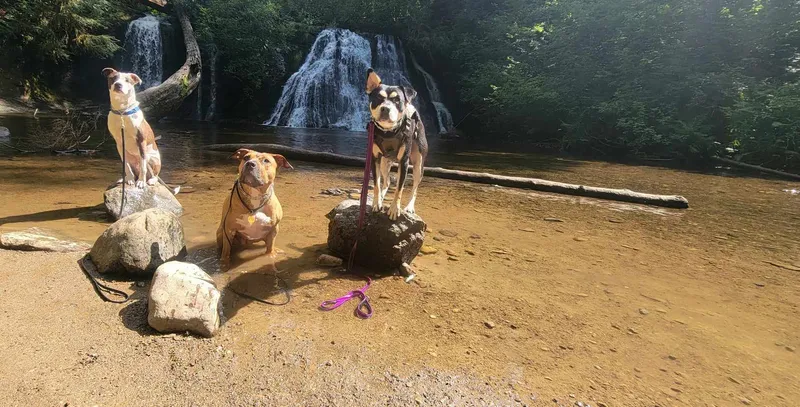
Reactive dog class
Wednesdays at 5 p.m., just 3–4 dogs, with setups tailored to the dogs in class. See our class calendar.
Honest goals for reactive dogs
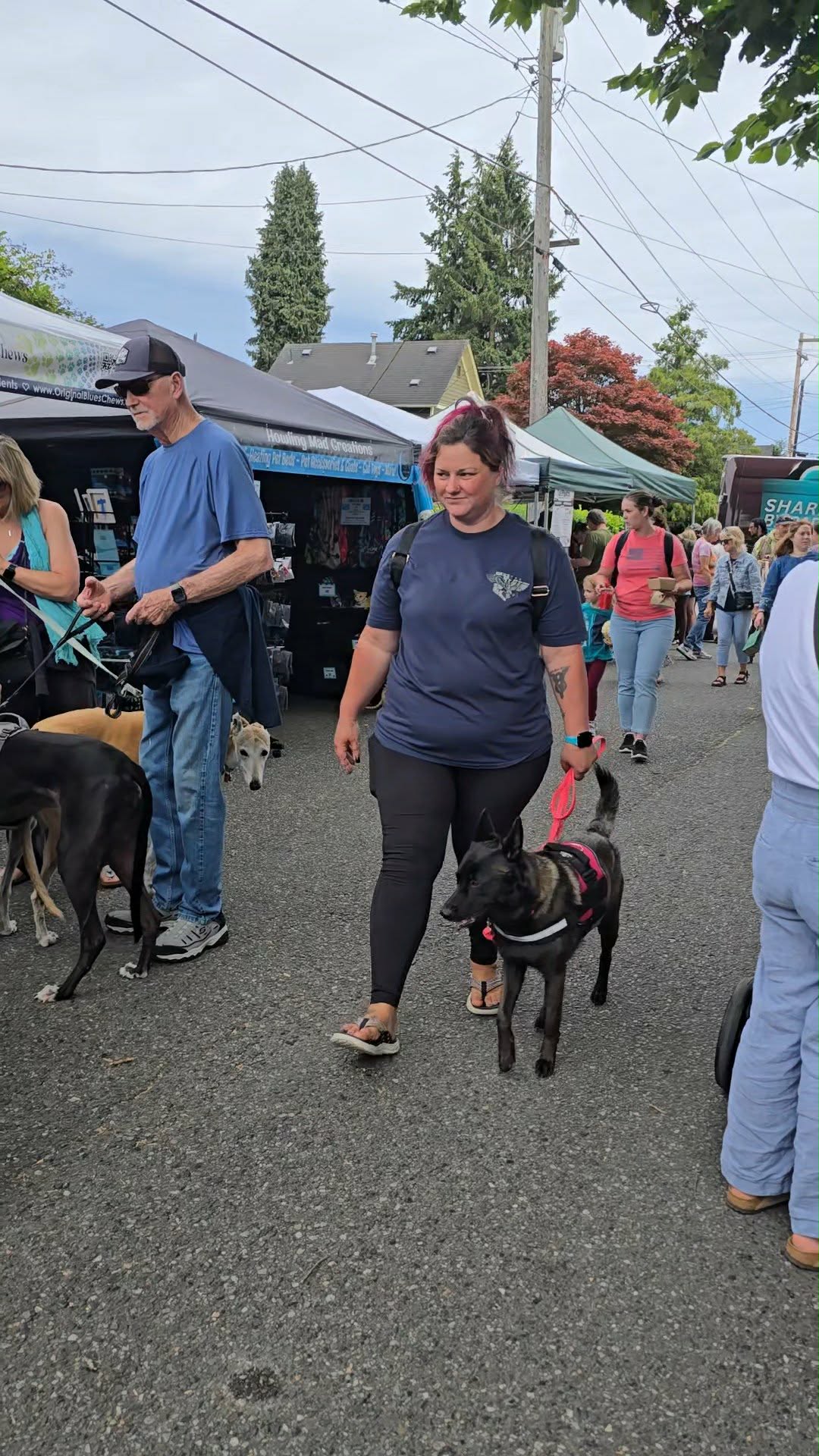
Real, lasting progress
Reactivity that comes from fear or overexcitement can usually be improved a great deal. Many dogs learn to walk calmly past things that used to set them off, and their families can enjoy walks, visitors, and outings again.
Every dog is different
Some cases are about steady improvement and good management rather than a cure. When there’s true aggression, what can change depends on the type. We’ll tell you honestly what we see and what’s realistic for your dog.
Reactive dog questions
What is a reactive dog?
A reactive dog overreacts to things it sees or hears, like other dogs, people, cars, or bikes, by barking, lunging, or pulling. Reactivity covers a wide range, from overexcitement to serious aggression, which is why every dog starts with an evaluation.
Is reactivity the same as aggression?
No. Most reactivity is driven by fear, overstimulation, or excitement, not aggression. Some reactive dogs do have true aggression, and when they do, what we can change depends on the type of aggression. We'll be honest with you about what to expect.
Can reactivity be fixed?
In many cases, yes. Reactivity that comes from fear or overexcitement can usually be improved a great deal, and many dogs can learn to walk calmly past things that used to set them off. Some cases are about management and steady improvement rather than a cure, and even some aggression cases can change, depending on the type.
What causes reactivity in dogs?
Most often, reactivity is a learned behavior that people reinforce by accident, without realizing it. When barking and lunging gets a dog closer to the exciting thing, or makes the scary thing go away, the behavior works, so the dog keeps doing it. Without clear guidance, dogs do what works for them to get what they want. And when no one else takes the lead, many dogs feel they need to handle things themselves.
How do you train a reactive dog?
We start with your dog's mental state, helping it stay calm enough to think. Then we give your dog clear guidance and teach you how to take the lead, so your dog doesn't feel it has to handle things on its own. We build confidence around its triggers, working at a level your dog can handle and building from there.
Do you have a reactive dog class?
Yes. Our reactive dog class meets Wednesdays at 5 p.m. with just 3 to 4 dogs, taught by Andrea and Autumn, with setups tailored to the dogs in class. The class is one piece of a bigger training plan.
Can my dog join the reactive class right away?
Not right away. Dogs first do private lessons, day training, or board and train, and join the class with their trainer's approval. That way, every dog in class is ready to learn, and the class stays safe and productive.
Which program is best for my reactive dog?
It depends on your dog's needs, your goals, your schedule and budget, and what you're comfortable handling. Most reactive dogs do a mix of private lessons, day training or board and train, and the reactive class. We'll recommend a plan at your evaluation.
Do you work with dogs reactive to people, cars, or bikes?
Yes. We work with all kinds of reactivity, including toward other dogs, people, cars, bikes, and barking at fences or windows.
Do I need an evaluation first?
Yes. Every training dog starts with an evaluation so we can understand your dog's reactivity, talk about your goals, and recommend the right plan. Evaluations take about an hour at our Snohomish facility.
Three ways to get help with your dog
Fill out our form
Tell us about your dog and schedule your evaluation.
Click Here to Get Help With Your DogSee all our programs
Board and train, day training, private lessons, and classes.
Click Here to See Our ProgramsText 360-488-0639
Texting is the best way to reach us. You’re welcome to call too.
Click Here to Text UsLast updated: November 2026
Walks can be enjoyable again
Let’s find out what’s driving your dog’s reactions and build a plan that fits your life.
Click Here to Get Help With Your Dog Text 360-488-0639A Canine Experience Inc. 2026. |Terms|Privacy
All rights reserved.
18208 67th Ave SE, Snohomish, WA 98296
360-488-0639
Serving Snohomish, Cathcart, Maltby, Mill Creek, Bothell, Woodinville, Lake Stevens, Everett, Monroe, Brier, Edmonds, Kirkland, Bellevue, Redmond, Duvall, Cottage Lake, Stanwood, Granite Falls, Marysville, Lynnwood, Martha Lake, Shoreline, Seattle, Mukilteo, Arlington, Whidbey Island, Camano Island, Anacortes, Darrington, Kenmore, Lake City, Smokey Point, Sultan and Gold Bar areas.